
Leadership Training That Changed the Conversation
One of our most significant achievements this year was the delivery of leadership training designed to strengthen the capacity of Family Councils to effectively fulfill their role within long-term care homes. The training gave participants a deeper understanding of governance, collaboration, and transparent communication — the kind of foundation that helps councils build stronger, more productive relationships with licensees and home leadership.
We saw the impact firsthand: many homes reported improved collaboration and fewer conflicts between Family Councils and licensees. The reach was significant — more than 650 long-term care home management staff completed the leadership training this year, helping build a shared understanding of effective partnership, transparency, and resident- and family-centred engagement across the sector.What Education Taught Us
If there's one thing that stood out to us this year, it's the value of education in strengthening relationships between Family Councils and long-term care home management. When we provide home management with a clearer understanding of their role in supporting Family Councils — while also helping Family Council members better understand how long-term care homes are funded, governed, and managed — we create the foundation f for shared knowledge.
This shared knowledge has practical value. Family Councils are now better equipped to distinguish between decisions that are within a home's control and those that fall under provincial legislation or Ministry direction. That clarity helps them navigate the long-term care system with more confidence, advocate more effectively, and work collaboratively with home leadership to support residents and their families.Milestones We're Celebrating
This year marked a milestone we're especially proud of: the Programs Department was formally established in the fall of 2025. This was an important step in FCO’s s continued growth and our ability to support Family Councils across the province.
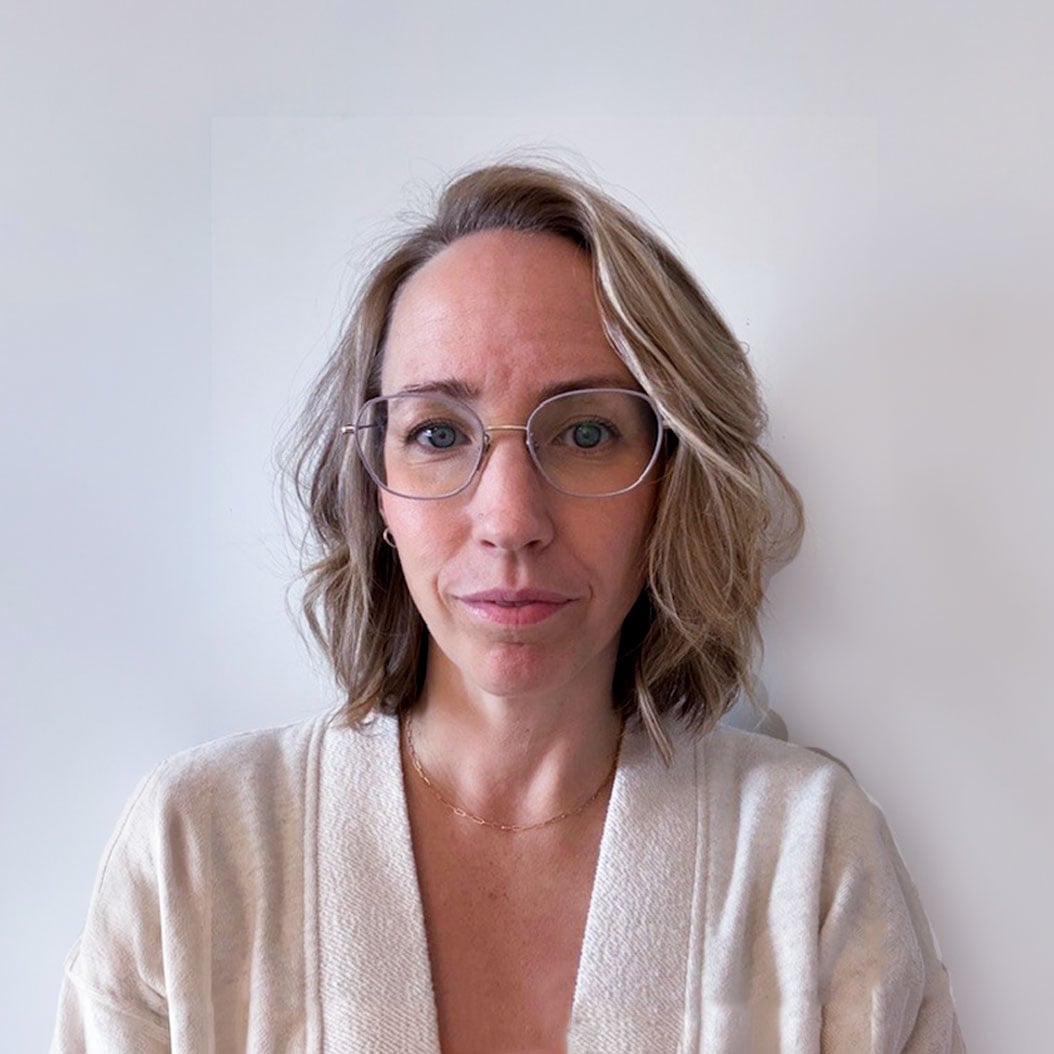 That growth came with new faces on our team. We welcomed Heather Webster as our Southwestern Outreach Coordinator, increasing our capacity to provide coaching, training, consultations, and ongoing support to more Family Councils throughout the region.
We also welcomed Tiffany Chiang as our Intake Coordinator — drawing on her background in social work, Tiffany brings compassion, expertise, and a family-centred approach to helping individuals navigate concerns, understand available resources, and connect with the right supports.Looking Ahead
Our priorities for the coming year are focused on strengthening the capacity of Family Councils and fostering collaborative partnerships across the long-term care sector. We'll be introducing monthly coaching sessions designed to deepen participants' understanding of long-term care, share leading practices, and highlight successful approaches used by effective Family Councils across the province.
We are aware of the many demands family caregivers face. By expanding opportunities for coaching, education, guidance, and mentorship, we're aiming to help Family Councils become confident, well-structured, self-led, and effective advocates for residents and their families. We'll also continue supporting long-term care licensees through leadership training and forums where home leaders can exchange ideas, share successful best practices, and build stronger partnerships with Family Councils.
A key priority for us this coming year is strengthening our relationships with Indigenous communities, organizations, families, and care partners. Through the newly established Indigenous Relations Coordinator role, we'll work collaboratively to provide culturally responsive support, education, and resources that have often been limited or unavailable in the past. By building trust, listening to community priorities, and fostering meaningful partnerships, we aim to better support Indigenous families and help ensure that all care partners have equitable access to the information, guidance, and resources they need to advocate effectively within the long-term care system.
Together, these initiatives are helping to foster a culture of collaboration, inclusion, transparency, and continuous improvement across Ontario's long-term care sector.
Requests We Received
Every consultation, coaching session, and conflict resolution call this year started with a real question from a real person — a council member unsure of their authority, a home leader unsure how to support a council without overstepping, a family trying to understand a system that wasn't built to be intuitive. Looking across the year's requests, clear patterns emerged on both sides of the relationship. Here's what Family Councils and Long-Term Care Homes most often asked us for, and how the Programs Department responded.
THE THROUGH-LINE
Across nearly every request — from either side — the underlying issue was the same: confusion about roles and responsibilities. Family Councils expressed that they were unsure of what fell under the home's control or what fell under provincial guidance. Homes lacked guidance on how to support a council without overstepping into it. FCO's response this year leaned hard into education as the fix: helping both sides understand the system well enough to collaborate inside it, rather than around it. The result showed up directly in the numbers — many homes reported improved collaboration and fewer conflicts between councils and licensees following this year's leadership training.